


Behavioral Health:
Galindo Project
This page will continue to be updated and is subject to change. Revised as of June 3, 2026.
FAQ
Program Overview
What is being planned for this site?
La Familia / The Alliance for Community Wellness is developing a behavioral health program at 3209 Galindo that will provide short-term mental health crisis support for Transition Age Youth (TAY) and Adults in Alameda County. TAY are young people, typically ages 18–24, transitioning into independent adulthood and often benefiting from support with housing, education, employment, or behavioral health.
The site will include two co-located voluntary programs: a therapeutic transitional housing program known as an Adult Residential Treatment (ART) and an Outpatient Treatment Program (OTP). These programs will provide support, stabilization, and connections to ongoing care in a supervised healthcare setting. The facility will operate 24/7 with trained staff onsite at all times.
Unlike a walk-in shelter, Sservices will be referral-based through Alameda County Behavioral Health Department or ACCESS (1-800-491-9099), and the crisis response systems. and will not operate as a walk-in shelter.
What is the purpose of the program?
The program will provide residential mental health support in a community-based rehabilitative setting for TAY who need help, stabilization, and connection to ongoing care. The goal is to help people receive appropriate support earlier, reduce unnecessary emergency room visits and hospitalizations, and provide a therapeutic living environment where long-term recovery can be initiated, sustained, and supported.
What is an Adult Residential Treatment (ART) Program? What is an Outpatient Treatment Program (OTP)?
An Adult Residential Treatment facility is a certified and regulated residential treatment program that provides a therapeutic environment and treatment to ensure that individuals build the skills necessary to live independently in the community. The program on Galindo street will serve up to 16 TAY (18-24 years old) specifically for stays typically up to up toauthorized lengths of stay that will typically be 30 days.
An Outpatient Treatment Pprogram is a community-based treatment team that delivers therapy services, rehabilitative skill building, case management, and psychiatry to TAY. Delivery of services will occurbe at the sites, and alsoandbut also in the community where the TAY reside.
Who will operate the program and what is the organization’s experience?
The program will be operated by La Familia, a nonprofit health and behavioral health provider serving Alameda County since 1975. The organization has experience operating licensed behavioral health programs and working in partnership with Alameda County, healthcare providers, schools, and community organizations.
Who will the facility serve?
The program will serve young adults (18-24 years old) in Alameda County who need behavioral health support, stabilization, and connection to ongoing care. Services will be voluntary and referral-based through behavioral health and crisis response systems, including hospitals, crisis teams, and county behavioral health pathways.
Admissions, Length of Stay and Services
How will people be referred or admitted?
Services will be voluntary and referral-based through behavioral health and housing systems of care,. The residential services at this facility will not operate as a walk-in shelter or drop-in program. Admissions will be coordinated through clinical and behavioral health referral systems to help ensure the program is an appropriate fit for each person’s needs. The outpatient program offerings will be open during standard operating hours Monday through Friday and walk-ins can get informed of services available and set up an intake appointment.
How long will people stay?
Length of stay will depend on each person’s needs and the type of program they are receiving services through. ART stays will typically be typically authorized for 30 days. OTP services are outpatient, meaning that participants receive treatment and support during scheduled visits without overnight admission. OTP Outpatient Programs are not residential and sservices will be conducted during normal business hours M-F.
What happens after someone’s stay ends? What is the discharge process like?
Before someone leaves the program, staff will work with them to develop a discharge plan focused on ongoing stability, support, and connection to services. Discharge planning will begin early during each person’s stay and may include referrals to behavioral health providers, medical care, housing resources, peer support, case management, or other community-based services to support continuity of care.
Can someone leave whenever they want? How long do they have to be in the program? How long will someone stay?
Participation in the program will be voluntary. Length of stay will depend on each person’s needs and the type of services they are receiving. OTP services are outpatient, meaning that participants receive treatment and support during scheduled visits without overnight admission. CSU stays will typically be less than 24 hours. CRT stays will generally be short-term, up to 14 days, with a focus on stabilization, support, and connection to ongoing care and services.
Safety and Operations
Will there be staff and security on site at all times and how will safety be managed?
The program will have trained clinical and support staff trained in de-escalation practices onsite at all times. Admissions will include clinical assessment and screening to ensure participants are appropriate for this type of care. Safety procedures will include admissions screening, de-escalation training, controlled access, monitoring systems, and coordination protocols with emergency responders when needed.
Because this is a voluntary, clinically supervised program designed for people appropriate for this level of community-based care, onsite security guards are not currently planned. The program will follow state licensing requirements and will operate with clinical oversight, emergency procedures, and ongoing site management focused on safety for participants, staff, neighbors, and the surrounding community.
How will the project impact the surrounding area? Will my day to day life be impacted? (Parking, Kinds of people coming to the area/ program, noise?) The program is intended to operate similarly to other small healthcare and community-service uses, with limited impacts on surrounding neighbors. Services will be referral-based rather than walk-in, and participants will be receiving short-term, clinically supervised support.
Because the program is limited to 16 participantsrelatively small and staffed onsite at all times, significant impacts related to noise, traffic, or parking are not anticipated. La Familia is committed to being a responsible neighbor through ongoing site management, responsiveness to concerns, and maintaining a safe and well-managed environment for participants, staff, neighbors, and the surrounding community.
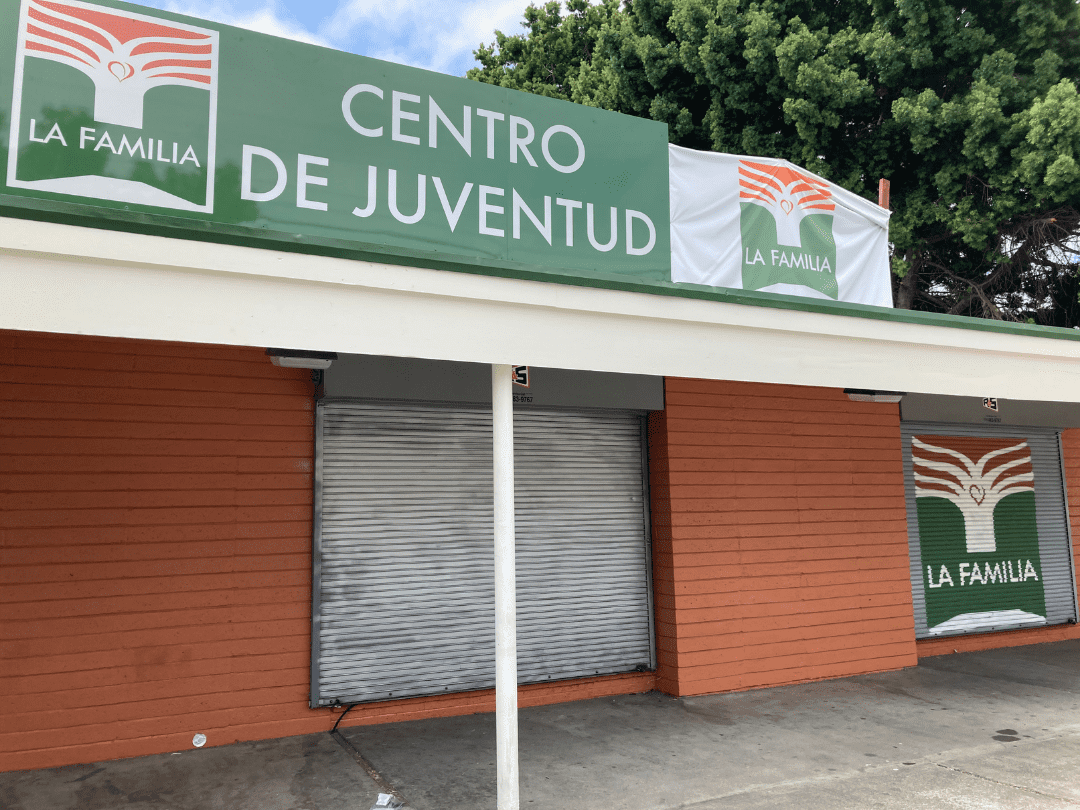
Why was this site selected and how was it approved? The site was selected because it is already well- suited for community-serving uses and has historically operated as a youth-serving program site. The project will continue a similar community-oriented use while adapting the building for short-term behavioral health services.
The project will comply with applicable permitting, licensing, and building code requirements. Under California law, ART/OTPCSU/CRT programs are processed through an administrative approval pathway once they meet zoning and safety standards. Although a public hearing is not required, La Familia is committed to ongoing communication and engagement with neighbors and community members throughout the process.
Neighbors will be able to contact La Familia directly with questions or concerns through a dedicated project email at GalindoProject@LiveLaFamilia.org or by phone at 510-606-7210.
Community Relations
How can neighbors stay informed or provide input? Community updates and contact information will be shared through the project webpage (https://livelafamilia.org/galindo-project/), community outreach, and the dedicated project email and phone line: GalindoProject@LiveLaFamilia.org or 510-606-7210.
What happens if issues arise once it is operating? La Familia will maintain ongoing site management and community contact pathways once the program is operating. Neighbors will be able to contact the program directly with questions or concerns, and staff will work to respond promptly and appropriately.
The program will also operate under state licensing requirements, clinical oversight, and established operational procedures designed to support a safe and well-managed environment for participants, staff, neighbors, and the surrounding community.